


Why Silver Pooja Items Are Still A Must for Indian Homes (2026 Guide)

Have you ever wondered why, despite changing home décor trends and modern lifestyles, silver pooja items continue to hold a sacred place in Indian homes?
From minimalist apartments to grand traditional houses, the Pooja Ghar remains incomplete without silver. While furniture styles evolve and décor preferences shift, the importance of silver in religious rituals has remained timeless.
This enduring relevance comes down to three powerful reasons: silver’s deep ritual significance, its scientifically proven purity, and its ability to double as elegant silver home décor in today’s modern Indian homes.
This 2026 Guide offers a contemporary look at an age-old tradition and explains why investing in pure silver utensils and pooja items remains essential for every Indian household.
The Deep Ritual and Spiritual Value
Silver’s Connection to the Divine
Silver has long been associated with the Moon God, Chandra, who represents calmness, emotional balance, and purity. In Hindu philosophy, silver is believed to carry cooling and soothing energies, making it ideal for worship and meditation.
The reflective surface of silver symbolises clarity of mind and purity of intention, both essential during puja rituals. This symbolic purity is why silver is preferred for sacred offerings, idols, and ritual vessels across Indian households.
Essential Silver Pooja Items and Their Symbolism
Certain silver pooja items are considered indispensable due to their spiritual meaning:
-
Silver Diya (Deepam): Represents the victory of light over darkness and knowledge over ignorance
-
Silver Kalash: Symbolises abundance, creation, and the cosmic ocean (Purna Kumbha)
-
Silver Bell (Ghanti): Its sound is believed to invite divine energies and dispel negativity
-
Silver Thali: Serves as the sacred base for offerings, enhancing ritual sanctity
At Maharani by Rungtas, each silver pooja item is crafted to preserve this symbolism while showcasing flawless artistry and timeless elegance.
The Science Behind the Purity
Natural Antimicrobial Properties
Beyond its spiritual significance, silver's role in puja is also rooted in science. Ancient Ayurveda recognised silver’s natural antimicrobial properties long before modern research confirmed it.
Silver ions help eliminate harmful bacteria, which is why pure silver utensils are traditionally used to store and serve Prasadam and Charanamrit. Using silver ensures purity, hygiene, and freshness during sacred consumption.
Durability and Heirloom Value
Silver is highly durable and resistant to corrosion, even when exposed to water, oil, ghee, or incense during daily use. With minimal care, silver items can last for generations.
Beyond being functional objects, silver pooja items become treasured heirlooms that carry emotional, spiritual, and material value. Investing in silver is not just tradition; it is legacy building.
Silver as a Timeless Luxury Decor Element
Where Classic Design Meets Enduring Elegance
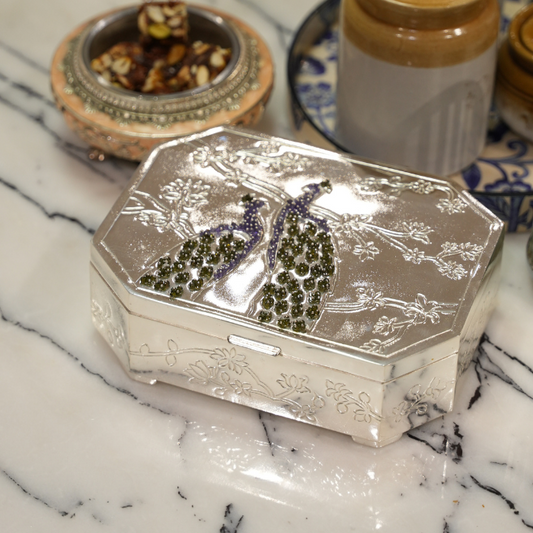
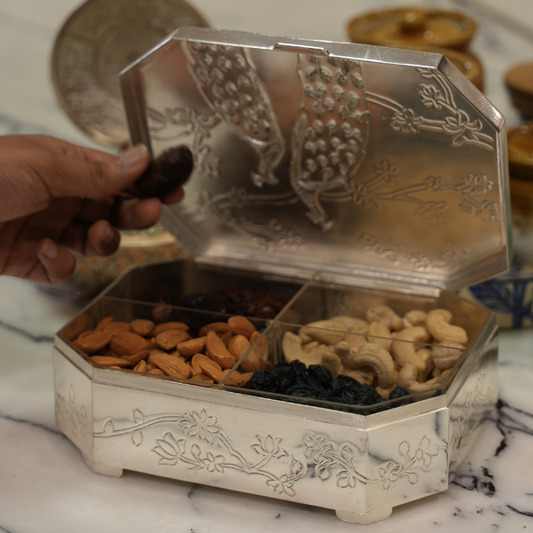
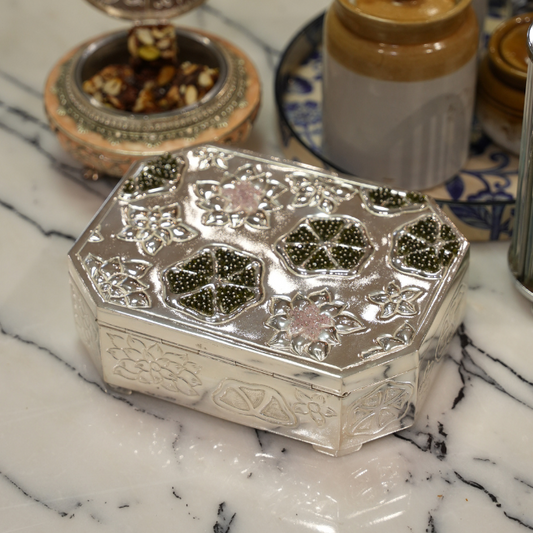
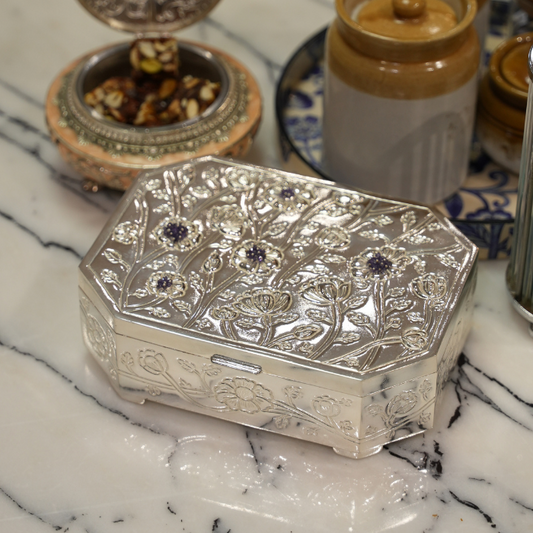
Silver has long been revered for its regal charm, and today it finds a natural place beyond the mandir, gracing thoughtfully styled living spaces with quiet sophistication. From mirror-polished finishes to antique and softly oxidised textures, silver lends itself effortlessly to interiors rooted in classic design.
At Maharani by Rungtas, masterful silver craftsmanship celebrates tradition while embracing refined aesthetics. Each piece is designed to enhance interiors with understated luxury, preserving cultural significance while complementing elegant, heritage-inspired spaces.
Inspired décor accents include:
• A finely crafted silver deity or silver elephant displayed on a console or sideboard
• Classic silver incense holders placed in a serene meditation space
• Ornate silver bowls styled as graceful centrepieces
These timeless elements transform silver into more than décor; it becomes a signature of luxury living grounded in tradition and classic design.
Lighting and Maintenance for Lasting Shine
Soft, warm lighting enhances silver’s natural glow without harsh reflections, making pooja spaces feel serene and divine.
For easy maintenance:
-
Clean silver with a paste of baking soda and warm water
-
Use the traditional aluminium foil and baking soda method for deeper cleaning
-
Always dry silver items completely to prevent tarnish
With simple care, silver retains its brilliance for decades.
Conclusion
Silver remains essential in Indian homes because it fulfils three influential roles: spiritual depth, scientific purity, and aesthetic luxury. Whether used in daily rituals or displayed as decor, silver remains a timeless investment.
At Maharani by Rungtas, silver is more than metal. Each piece is a spiritual anchor connecting your home to tradition, prosperity, and refined elegance. When you choose silver, you choose a heritage that shines for generations.
FAQs
Why is silver specifically used for worship instead of gold or brass?
Silver is associated with the Moon God (Chandra), symbolising purity, peace, and positive feminine energy. It is believed to attract and retain divine energies required for worship, making it ideal for puja rituals.
Which silver item is the most essential for the Pooja Ghar?
The silver kalash is considered the most essential, symbolising abundance and completeness. Other important items include the silver diya, thali, and bell.
Is it safe to consume Charanamrit or Prasadam from silver utensils?
Yes. Silver has natural antimicrobial properties that help purify water and food, making it safe and traditionally recommended.
How should silver pooja items be cleaned and maintained?
Silver tarnishes naturally over time. Simple cleaning methos include using baking soda with warm water or the aluminium foil technique. Always dry items thoroughly after washing.
How can silver pooja items fit into modern interiors?
Use silver as accent decor, antique idols on modern furniture, decorative bowls as centrepieces, or incense holders in meditation spaces. Matte and oxidised finishes work exceptionally well in contemporary homes.
Are silver pooja items a good long-term investment?
Yes. In addition to its spiritual and emotional value, silver holds intrinsic worth and is often passed down as a valuable family heirloom.

